
Al Sifa an ecotourism destination 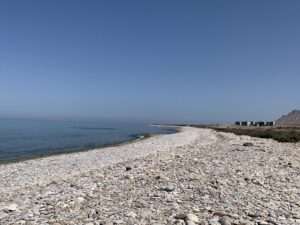
Lakshmi Kothaneth
A boat ride through the mangroves at Al Sifa is gaining momentum and popularity.
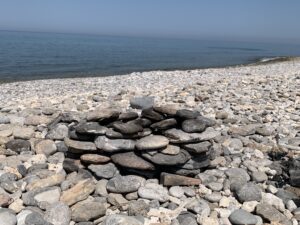
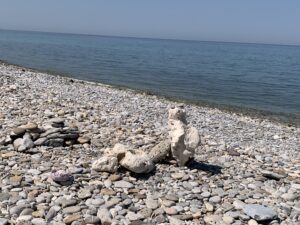
The Sifa Beach has different features: one part with flat rocks, another that is a white sand beach, and the other with the mangroves.
This is what the United Nations’ Food and Agriculture Organisation says about mangroves: “As we navigate the UN Decade on Ecosystem Restoration (2021-2030), mangroves emerge as emblematic of nature-based solutions to global challenges.”According to FAO, restoring mangrove habitats aligns with the Decade’s goals of halting biodiversity loss, combating desertification, and addressing climate change impacts.
“Gulf countries are at the forefront of these efforts, demonstrating a strong commitment to protecting and restoring mangrove habitats. By integrating traditional knowledge and leveraging advanced technologies, these countries are setting an example for the world,” FAO stated.
The natural harbour has the fishermen park their boats, and this is also where one can explore this part of Oman’s coast with the mangroves on a boat.
The cost of the rides is reasonable, and the area is picturesque.
The Green.Earth explains that mangroves are resilient trees and act as potent carbon sinks, utilising photosynthesis, sediment trapping, slow decomposition, and peat formation to store atmospheric CO2.
“Over the past two years, Oman’s efforts have seen the planting of over 3.5 million mangrove seeds, with a record-breaking 2 million trees this year. Coastal areas from Dhofar to Muscat and the Daymaniyat Islands are now reaping the benefits of this green resurgence,” the organization writes in their report on Oman.
They pointed out that this groundbreaking initiative marks a pivotal step toward Oman’s zero-emissions aspirations, estimating significant environmental and economic gains through restoring and preserving the invaluable mangrove ecosystems.
Sifa, as a tourist destination, is gaining its prominence, as can be seen with the amenities available. There is a store for renting tents and tenting equipment. There are established facilities, from rooms to caravans. Most importantly, the public restrooms are available right on the roadside.
It is almost a 50-minute drive from Wadi Kabir, but there are options from Muttrah and Hamriya as well.
The scenic route is much admired, and by the time the Wadi Al Rahba and Al Maha petrol station is crossed, one can enjoy the beauty of Sifa.
One has to be careful about donkeys and goats on the roadside. But once there, time and mind can be on reset mode, making it an ideal location for ecotourism.
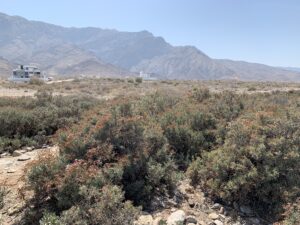
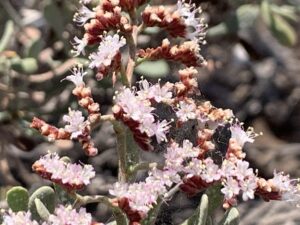
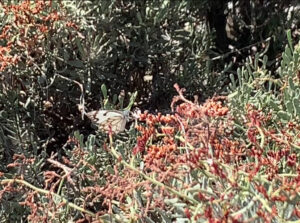
The boat ride operators said the Eid holidays saw a busy season. But on the beach sides that are popular for camping, picnickers had left the trash behind. The visitors have to bear in mind each season is important. Currently the shrubs on the beach with wading rocks are in full bloom, attracting a swarm of white butterflies.
The mangrove boat rides at Al Sifa sound absolutely fascinating! It’s incredible how Oman is blending tourism with environmental conservation. The fact that mangroves act as carbon sinks and contribute to combating climate change is truly inspiring. Planting over 3.5 million mangrove seeds is a massive achievement—what a bold step toward zero emissions! It’s also amazing to see Gulf countries leading the way with traditional knowledge and modern technology. I’d love to know more about how locals and tourists are getting involved in these restoration efforts. Do you think this initiative could inspire other countries to follow suit? What’s your personal experience with Oman’s mangroves—have you visited Al Sifa?
It’s fascinating to see how Al Sifa’s mangroves are becoming a symbol of ecological restoration and tourism. The combination of natural beauty and environmental significance makes it a unique destination. Oman’s efforts in planting millions of mangrove seeds are truly commendable and set an example for other nations. The fact that mangroves act as carbon sinks highlights their importance in combating climate change. I wonder how local communities are involved in these initiatives and if they benefit economically from tourism. Do you think this model of eco-tourism could be replicated in other regions? It’s inspiring to see such a balance between conservation and sustainable development. What’s your take on the long-term impact of these efforts on Oman’s environment and economy?